
The winter months bring cold air, a drop in air pressure and for many of us, an increase in joint and foot pain. While many people attribute winter discomfort simply to aching bones, the cold can actually have a profound physiological impact on our circulatory system and soft tissues.
Why the Cold Affects Your Joints
Some experts believe when the barometric pressure drops due to the cold, it can lead to changes that affect our joints. Soft tissues around the joint can expand slightly, and that swelling can increase pressure on the joint – resulting in discomfort or pain.
The cold has similar effects. For instance, the joint’s synovial fluid may thicken when cold weather moves in, which can increase joint friction, wearing down protective cartilage. More friction means more pain.
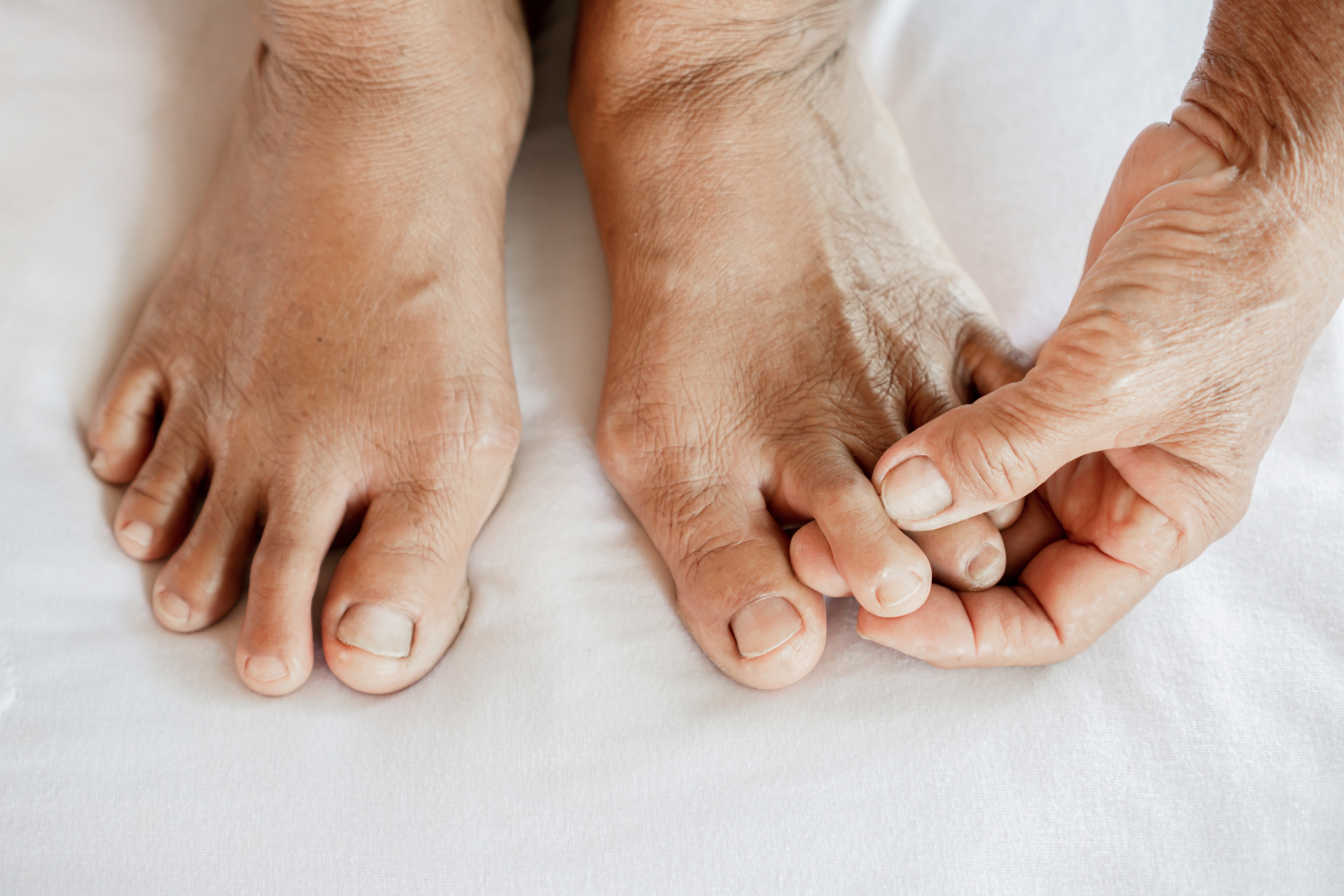
Tips for Arthritis and Common Joint Pain
If you’re affected by weather-related joint pain, here are some tips to help you alleviate the pain:
- Protect your extremities: If you have any foot and ankle pain, make sure to wear thick socks with waterproof or water-resistant boots
- Medication management: Take over-the-counter oral NSAIDs as needed and apply a topical diclofenac cream such as Voltaren
- Stay active: Use indoor treadmills or tracks and walk as much as your joints can tolerate
- Specialized care: For those with rheumatoid arthritis (RA), talk to your provider about Disease-Modifying Anti-Rheumatic Drugs (DMARDs) to slow disease progression
- Most importantly: stay warm!
If you are taking the steps above but are still in severe pain, talk to your primary care provider about corticosteroid injections.

Cold temperatures during the winter months can greatly affect our foot health. Remember to be protect your feet from the cold, stay physically active and to examine your feet on a regular basis. If you have any concerns, contact your primary care provider right away.
H3: Authors
Luong Phan, MD, PGY-1, Podiatry