
Are you tired of worrying about tick-borne illnesses like Lyme disease? With the right prevention strategies, you can significantly reduce your risk. Let’s explore effective tips to stay safe and tick-free.
Understanding Lyme Disease
Lyme disease is a bacterial infection transmitted through the bite of an infected black-legged tick (also known as a deer tick). It is most common in the Northeast, Mid-Atlantic and Upper Midwest regions of the United States. Typical symptoms include fever, headache, fatigue and a skin rash called erythema migrans. If left untreated, the infection can spread to the joints, heart and nervous system. Recent CDC estimates suggest approximately 476,000 Americans are diagnosed and treated for Lyme disease each year.
Lyme Disease Symptoms and Signs
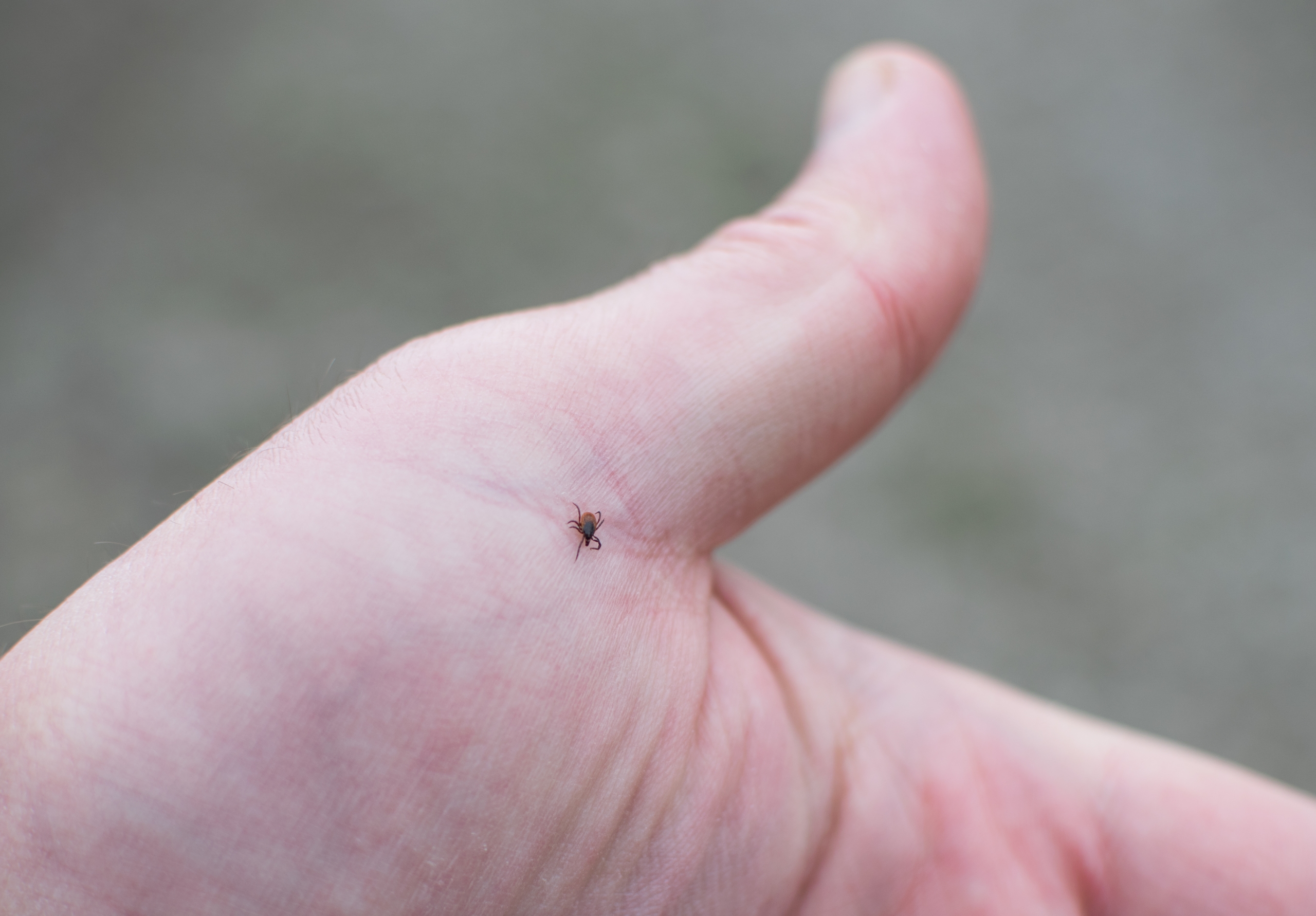
In most cases, a tick must be attached and feeding for more than 24 hours before Lyme disease bacteria can be transmitted. Many people are infected through the bites of immature ticks called nymphs, which are difficult to see and can be as small as a poppy seed.
Early signs and symptoms of Lyme disease can appear three to 30 days after a tick bite and may include fever, chills, headache, fatigue, neck stiffness, muscle and joint pain, swollen lymph nodes and difficulty concentrating or “brain fog.” A rash called erythema migrans occurs in approximately 70% to 80% of infected individuals, but it does not always appear as the classic bull’s-eye pattern.
Without treatment, Lyme disease can progress and cause more serious symptoms, including severe headaches, facial paralysis, heart palpitations, nerve pain, arthritis and inflammation affecting the brain, heart and nervous system.
When diagnosed early, most cases of Lyme disease can be treated successfully with a course of antibiotics. Early diagnosis and treatment are important to help prevent long-term complications.
Tick Prevention Tips
- Protect Your Yard: Mow your lawn regularly, rake leaves and plant deer-resistant plants to minimize tick habitats.
- Avoid Tick-Prone Areas: Steer clear of wooded or brushy areas with high grass or leaf litter. Stick to well-maintained trails and avoid resting under trees.
- Dress Appropriately: Wear light-colored clothing to easily spot ticks. Cover exposed skin with long sleeves, pants and closed-toe shoes. Tuck your pants into your socks and your shirt into your pants.
- Use Repellents: Apply insect repellent containing DEET, picaridin, IR3535, oil of lemon eucalyptus or other effective ingredients to your skin and clothing. Consider treating your clothing and gear with 0.5% permethrin.
- Protect Your Pets: Ensure your pets have tick protection, such as topical solutions, oral medications, collars or sprays. Consult your veterinarian for advice.
- Conduct Regular Tick Checks: After spending time outdoors, carefully check yourself, your family members and your pets for ticks. Pay attention to areas like your underarms, ears, neck, scalp, belly button, groin and between fingers and toes.

Tick Removal Tips
- Use Tweezers: If you find a tick attached to your skin, gently grasp it with tweezers as close to the skin as possible.
- Pull Steadily: Slowly and steadily pull the tick straight up until it releases.
- Save the Tick: Take a picture of the tick and place the tick in a sealed container or bag for identification if necessary.
- Clean the Area: Disinfect the bite site and your hands with rubbing alcohol or soap and water.

Remember, prompt tick removal and early recognition of symptoms can help reduce the risk of Lyme disease and other tick-borne illnesses. Be proactive, follow these prevention tips and enjoy the outdoors safely.
Authors
Rebecca LaValley, MD, Family Medicine Faculty
Lilibet Miranda Gonzalez, MD
Marile Parra Llabres, MD
May Aung, MD