
Staying healthy and safe during summer months is essential, especially in regions like upstate New York, where temperatures and humidity can soar. Below is a comprehensive guide to help you prevent heat stroke, protect your skin and navigate water safely.
Heat Stroke Prevention
- Dress appropriately: Wear loose-fitting, lightweight clothing in light colors to reflect the heat
- Stay hydrated: Drink plenty of water throughout the day, even if you don’t feel thirsty. Avoid drinks with alcohol, caffeine and sugar
- Time your activities: Limit outdoor activities during peak heat hours (10 a.m. to 4 p.m.) and opt for early morning or late evening to walk your pets or exercise outdoors
- Recognize symptoms: Be aware of heat-related illnesses like heat exhaustion and heat stroke – symptoms include dizziness, nausea, rapid heartbeat and confusion. Seek medical attention immediately if these occur.

Skin Protection and Sun Safety
- Apply sunscreen regularly: Use a broad-spectrum sunscreen with SPF 30 or higher and reapply every two hours or more if swimming or sweating
- Wear protective clothing: Opt for long-sleeved shirts, long pants and wide brimmed hats or wear clothing with ultraviolet protection factor (UPF) ratings for added protection
- Protection from insects: Make sure to utilize insect repellent sprays if you plan to spend a lot of time outdoors, especially in the evenings and where there is a lot of foliage
- Seek shade: Whenever possible stay under shade especially during peak sun hours
- Protect your eyes: Wear sunglasses with 100 percent UV protection to shield your eyes and the delicate skin around them
- Monitor skin changes: Regularly check your skin for new or changing moles or spots. Follow the ABCDE rule (Asymmetry, Border irregularity, Color variation, Diameter larger than six millimeters, Evolving shape) and consult a dermatologist if you notice concerning signs.
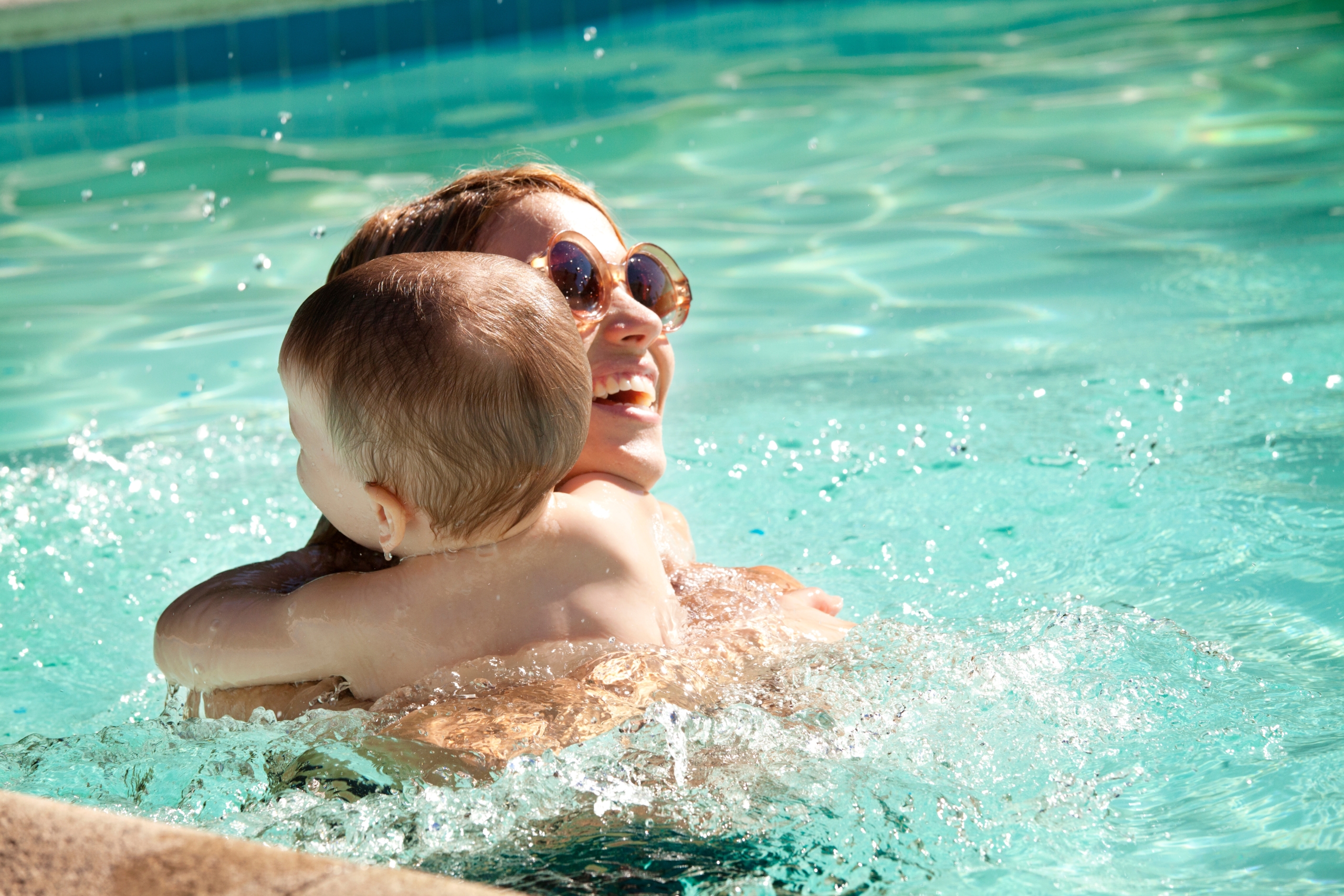
Water Safety
- Never swim alone: Always have a buddy when swimming, regardless of your swimming skills – whether at a pool or lake – and monitor younger children in the bathtub
- Supervise children and pets closely: Ensure children and pets are always within arm’s reach – known as touch supervision – and use Coast Guard-approved life jackets for non-swimmers, as water wings and floaties may give a false sense of security
- At home pool safety: If you have a pool at home, install a fence with self-closing and self-latching gates to prevent unsupervised access. Pool alarms, pool covers, rescue hooks and float lines are tools that add important layers of protection when the pool is not in use.
- Lake safety:
- Swim in designated areas and avoid swimming near boat ramps or docks
- Be aware of currents and undertows – enter feet first, and cautiously, especially if you are unsure of the depth or underwater obstacles
- Be aware of underwater aquatic life, like jellyfish or snapping turtles
- Always check for posted warnings about water quality or other hazards.
- Avoid alcohol: Refrain from consuming alcohol before or during swimming to maintain alertness
- Reach, throw, don’t go: If someone is in trouble in the water, teach children to reach with a pole or throw a floatation device, but never jump in
- Be aware of the weather: Avoid swimming during thunderstorms or when the weather is unfavorable
- Learn CPR: Equip yourself with CPR skills to respond effectively in emergencies.
By following these guidelines, you can enjoy a safe and healthy summer.
Authors
Julie Betro-Shkane, DO, MVHS Family Medicine Residency program faculty, and Mary Bapana, MD.