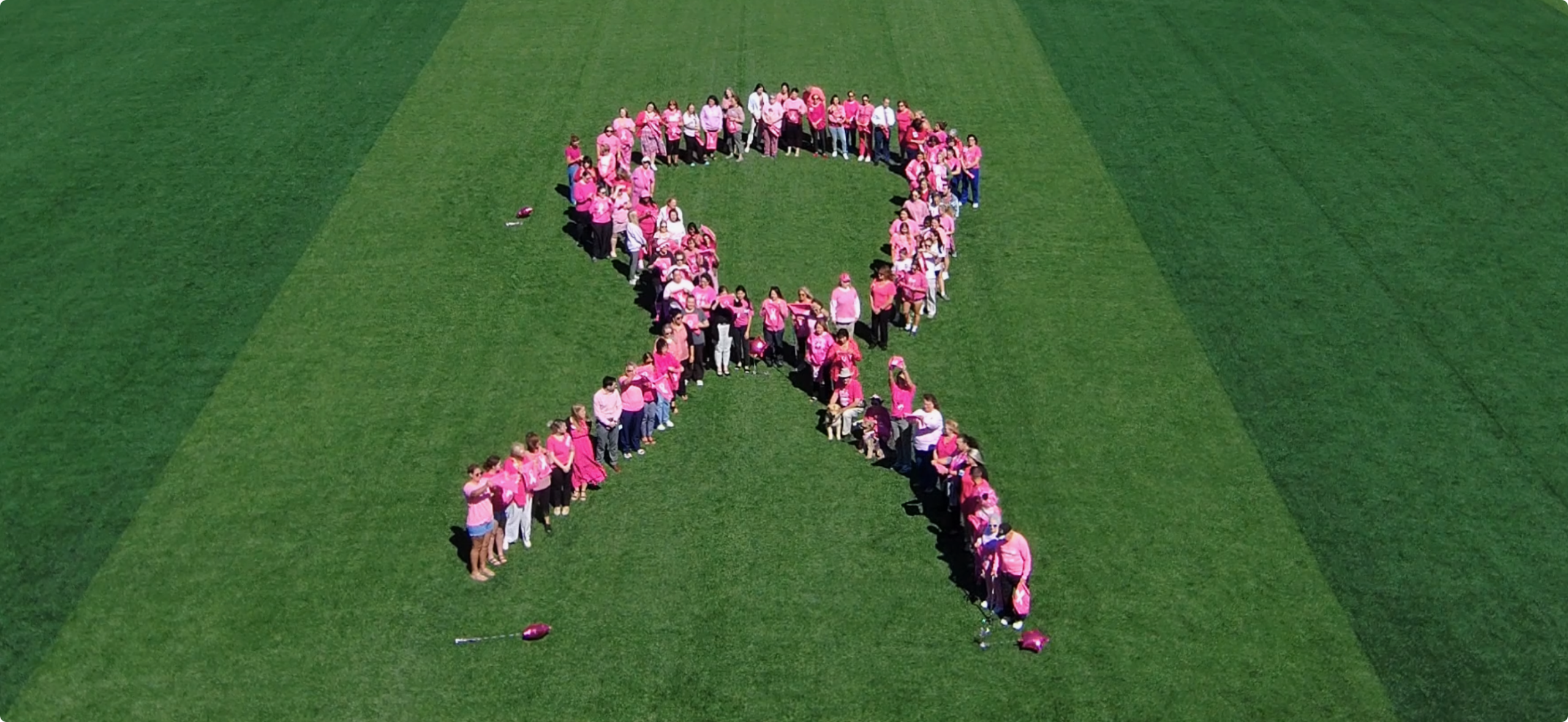
October is Breast Cancer Awareness Month, a time to focus on education and early detection – two of the most powerful tools we have in the fight against this disease. Breast cancer is the second most common cancer among women in the United States, but the good news is that advancements in screening and treatment mean the outlook is better than ever.
Approximately 1 in 8 women in the U.S. will develop invasive breast cancer in their lifetime. That’s why understanding your risk and knowing when and how to get screened is so important.
Here are the answers to five commonly asked questions about breast screenings and breast cancer.
1. What are the signs and symptoms of breast cancer?
The most common sign of breast cancer is a new lump or mass in the breast or armpit area – but this isn’t the only symptom, and not all breast cancers cause symptoms you can feel.
Other potential signs include:
- Thickening or swelling of the breast or underarm
- Changes in the size or shape of the breast
- Changes to the skin over the breast, such as dimpling, puckering, scaling or redness
- Nipple changes, like a nipple turning inward or discharge (not breast milk).
Many women with breast cancer have no symptoms when they are diagnosed. This is why regular breast cancer screening is so vital – it can find cancer early, before symptoms even appear.
Stay aware of how your breasts normally look and feel, and report any changes to your healthcare provider immediately. You can find detailed information on symptoms and signs from organizations like the American Cancer Society.
 2. When should I start getting screened, and how often?
Screening guidelines vary, which can be confusing, but the consensus among medical experts is clear: early detection saves lives. It’s important to discuss your breast cancer risk with your primary care provider to understand when you should start your regular screenings.
- Average Risk: It is generally recommended that women at average risk begin getting annual screening mammograms at age 40. Many major medical organizations support starting mammograms by age 40 and continuing every year thereafter.
- High Risk: If you have a family history of breast cancer (especially a first–degree relative like a parent or sibling) or other risk factors, your provider may recommend starting screenings earlier, sometimes as early as age 30, and may suggest additional tests like a breast MRI.
The five-year overall survival rate for women with stage I breast cancer is 90 percent. Early screening is key to catching cancer at this highly treatable stage.

3. What causes breast cancer?
Breast cancer is not caused by a single factor, but rather a complex combination of risk factors.
Key Risk Factors Include:
- Age: The risk increases as you get older – the median age of breast cancer diagnosis for women in the U.S. is 62
- Genetic Factors: Inherited gene mutations, such as BRCA1 and BRCA2, significantly increase risk
- Dense Breasts: Having dense breast tissue
- Hormonal Factors: Long-term exposure to estrogen, such as starting menstruation at a young age or going through menopause later
- Lifestyle Factors: Lack of physical activity, excessive alcohol consumption and obesity.
Having a risk factor does not mean you will definitely get breast cancer, but knowing your individual risks helps you and your doctor make the best screening plan.
4. I have dense breast tissue. What does that mean, and am I at a higher risk?
Breast density refers to the ratio of fibrous and glandular tissue (non–fatty tissue) to fatty tissue in the breast – dense breasts have more non-fatty tissue. On a mammogram, dense tissue and tumors both look white, which means dense tissue can sometimes hide or “mask” a tumor, making it harder to detect. This is why dense breasts are often associated as being higher risk, but they are not a risk factor on their own. In other words, having dense breasts does not mean you are more likely to develop breast cancer.
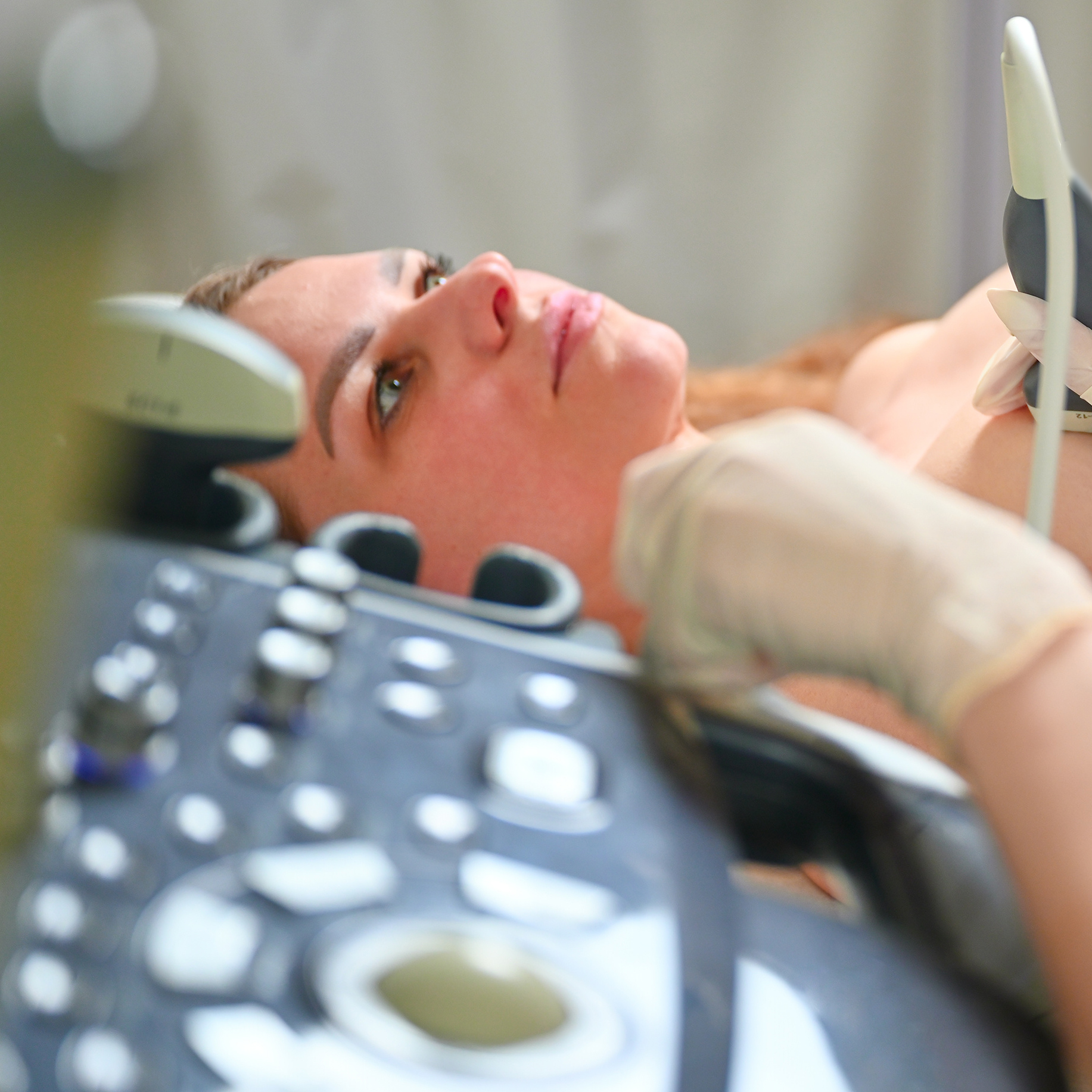
If you have dense breasts, healthcare providers often recommend supplemental screening tests in addition to your regular mammogram, such as a breast ultrasound or MRI, to help detect cancers that a mammogram might miss.
5. What treatment options are available for breast cancer? Can it be cured if caught early?
Treatment for breast cancer is highly individualized and may include a combination of different approaches:
- Local Treatments: Surgery (like a lumpectomy or mastectomy) and radiation therapy
- Systemic Treatments: Chemotherapy, hormone therapy and targeted therapies
The good news is breast cancer can often be cured, especially when caught early, and there are steps you can take to reduce your risk.
Be sure to discuss your risk factors, and any other concerns you may have, with your primary care provider and seek out a specialty office, such as the Breast Care Center at MVHS, if you need ongoing care.