
Each May, we celebrate Better Speech-Language-Hearing Month, a time dedicated to raising awareness about communication disorders and the importance of early detection and treatment for hearing loss and speech and language conditions.
Hearing and communication disorders are more common than many people realize. According to the Centers for Disease Control and Prevention (CDC), approximately 15 percent of American adults report some degree of hearing difficulty, and millions of children and adolescents have experienced hearing damage from excessive noise exposure.
Communication challenges can affect people of all ages. In children, hearing loss may impact speech, language, learning and social development. The CDC reports that hearing loss affects approximately one to three out of every 1,000 children, which is why newborn hearing screenings and early intervention are so important.
Speech-language pathologists and audiologists play an important role in helping individuals improve communication and quality of life. These specialists provide care for hearing loss, speech and language disorders, cognitive-communication difficulties and swallowing disorders. Early identification and treatment can help children succeed academically and socially while helping adults remain connected and independent.

Hearing and Speech Facts
Hearing and communication are incredibly complex and important parts of everyday life. The ear can process sound in just milliseconds, and babies begin recognizing sounds and voices before they are even born. Your voice is also unique — much like a fingerprint — and communication involves far more than words alone, including facial expressions, tone and body language.
A few other interesting facts about hearing and speech include:
- Hearing loss is one of the most common chronic conditions in the United States
- Speech-language pathologists help treat not only speech disorders but also memory, cognition and swallowing difficulties
- Listening to headphones above 60 percent volume for long periods may increase the risk of hearing damage
- The tiny bones in the ear, called ossicles, are the smallest bones in the human body
- More than 98 percent of newborns in the United States receive hearing screenings shortly after birth.
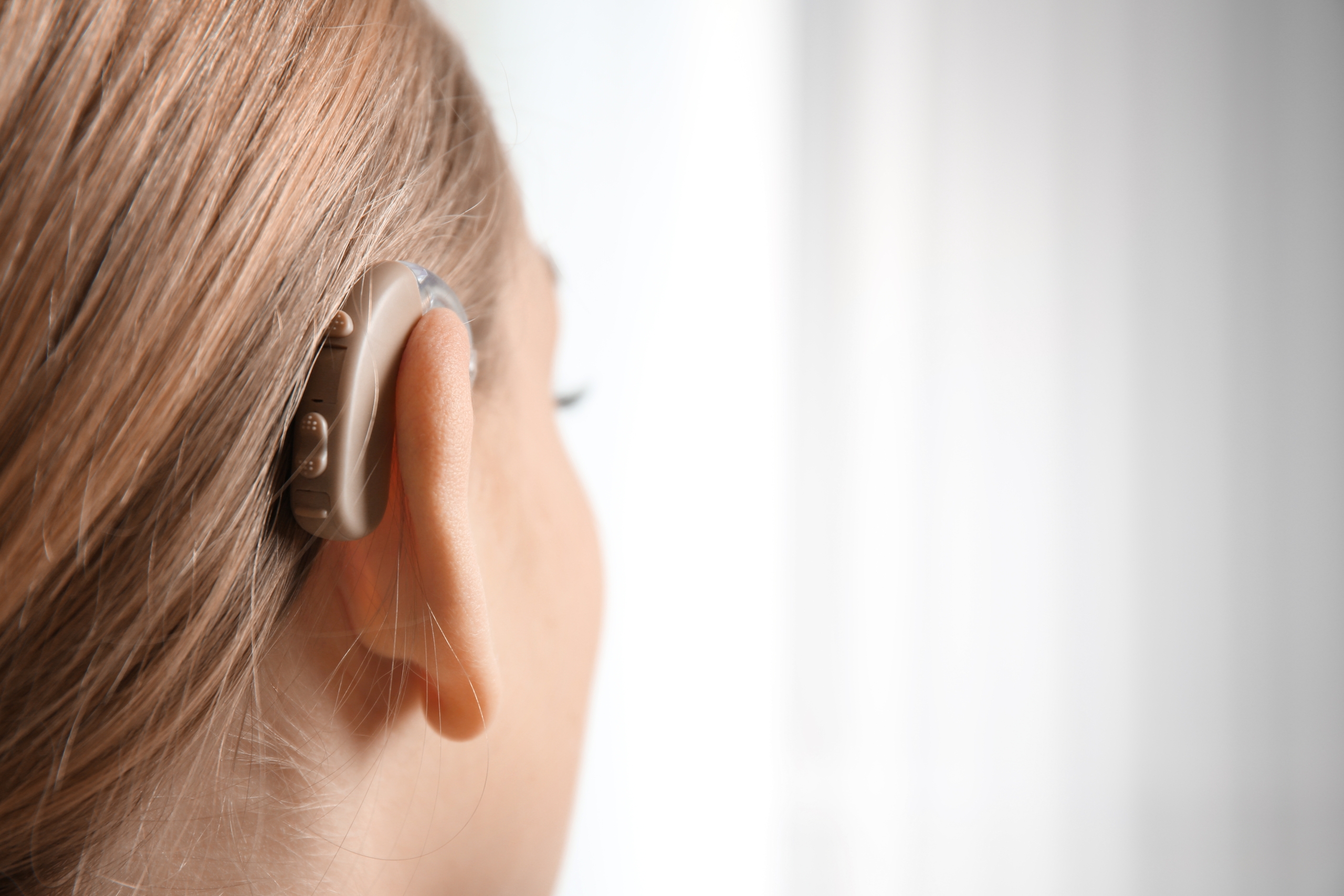
Why Hearing, Speech and Language Matter
Communication is essential to everyday life – from connecting with loved ones to succeeding at work and school. When hearing or speech challenges arise, they can impact relationships, confidence and overall well-being.
Raising awareness helps reduce stigma and encourages individuals to seek care sooner. With early detection and the right support, many communication disorders can be effectively managed, helping people of all ages live fuller, more connected lives.
If you or a loved one have concerns about hearing, speech or swallowing, the experts at Mohawk Valley Health System (MVHS) are here to help. The Audiology and Speech Therapy providers at MVHS are part of our rehabilitation team and play a vital role in helping patients of all ages improve their ability to hear, speak and connect with the world around them. From comprehensive hearing evaluations and hearing aid support to speech, language and swallowing therapy, our teams are committed to enhancing quality of life through compassionate, patient-centered care.
Author
Fallon Ruggiero, Supervisor, Rehabilitation Support Services