
You’re in a hurry, so you grab lunch on the go. But what if the food you choose makes you feel sluggish or tired for the rest of the day?
The foods we choose influence how we feel, how we function and how we thrive – both as individuals and as a community.
And, making informed food choices can build sustainable eating habits that support lifelong health.
This year’s National Nutrition Month® theme, Discover the Power of Nutrition, explores how small, manageable changes to our daily routines can make a meaningful difference. When we focus on balance rather than perfection, we create habits that last.
Building Balanced Meals: The Foundation of Good Health
Discovering the power of nutrition starts with building balanced meals. That means incorporating a variety of nutrient-dense foods from all food groups — fruits, vegetables, whole grains, lean proteins and healthy fats.
Balanced meals can:
- Support a strong immune system
- Enhance cognitive development and focus
- Improve energy levels throughout the day
- Reduce the risk of chronic disease.
Rather than following restrictive trends, focus on adding – not subtracting.
- Add more colorful vegetables
- Add whole grains
- Add lean proteins.
Small improvements add up over time.
Practical Habits for Long-Term Success
Healthy eating doesn’t have to be complicated or overwhelming. Sustainable habits are built through realistic strategies that fit your lifestyle.
Smart Sourcing
The journey to balanced eating begins at the grocery store – or even before.
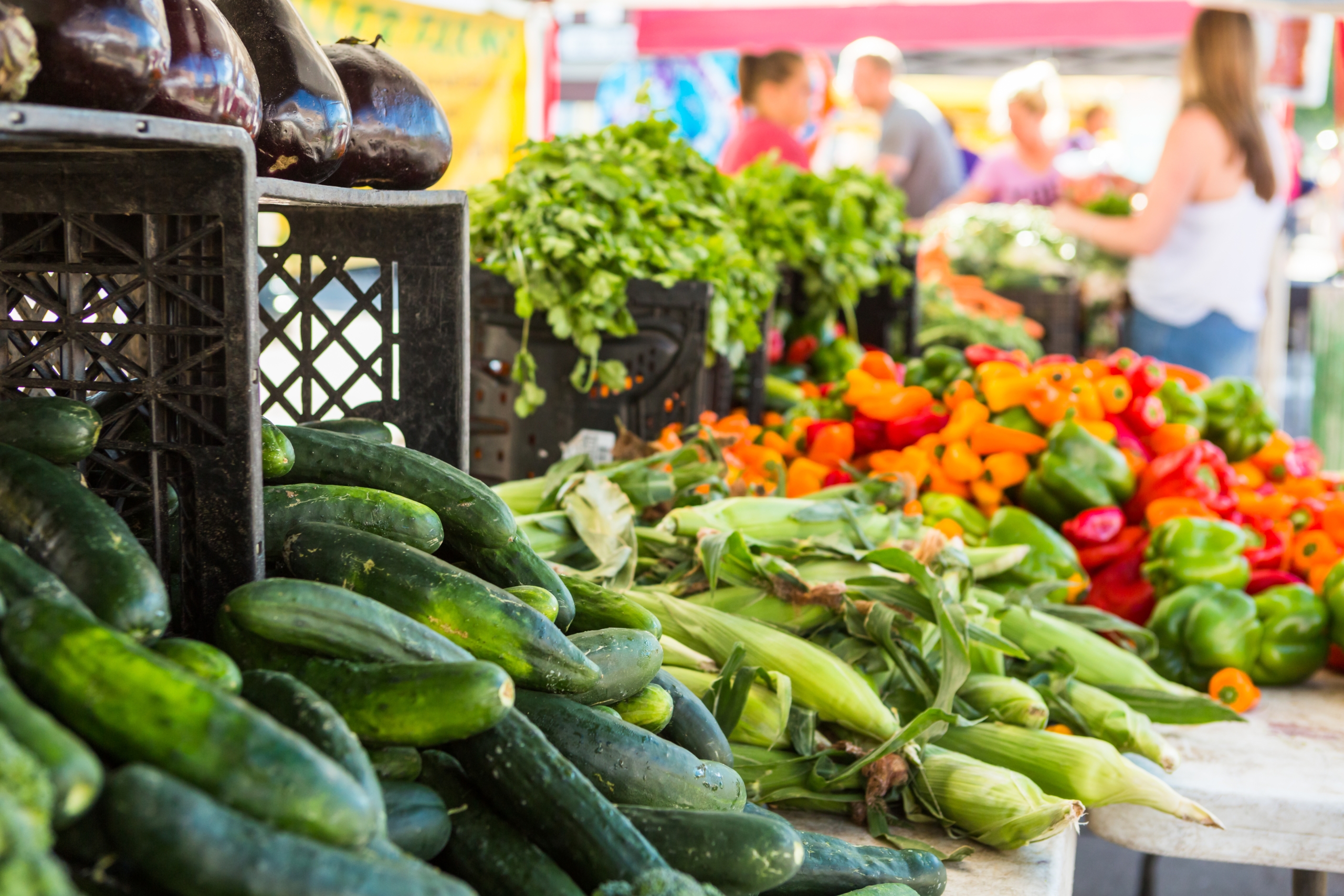
- Shop local when possible to access fresh, seasonal produce while supporting your local economy
- Start a small garden – even herbs on a windowsill can reconnect you with your food
- Read food labels and aim for whole foods with simple ingredient lists
- Explore community resources such as SNAP, WIC and local food programs to increase access to nutritious options.
Making informed choices about the ingredients you use empowers you to nourish your body with intention.
Meal Prep: Turning Intention into Action
In today’s busy world, preparation is key. Meal prepping is a practical tool that helps transform healthy intentions into consistent habits.
Planning meals ahead of time can:
- Save time and money
- Reduce stress
- Prevent impulse purchases
- Support portion control
- Encourage balanced nutrition.
Start small. Plan a few meals for the week. Prep key ingredients like roasted vegetables, cooked grains or lean proteins. Batch cooking allows you to prepare larger quantities and use them in different ways throughout the week.
Remember – sustainable habits don’t require perfection. Even prepping one or two meals can make a big impact.

Connecting with a Nutrition Expert: Personalized Guidance
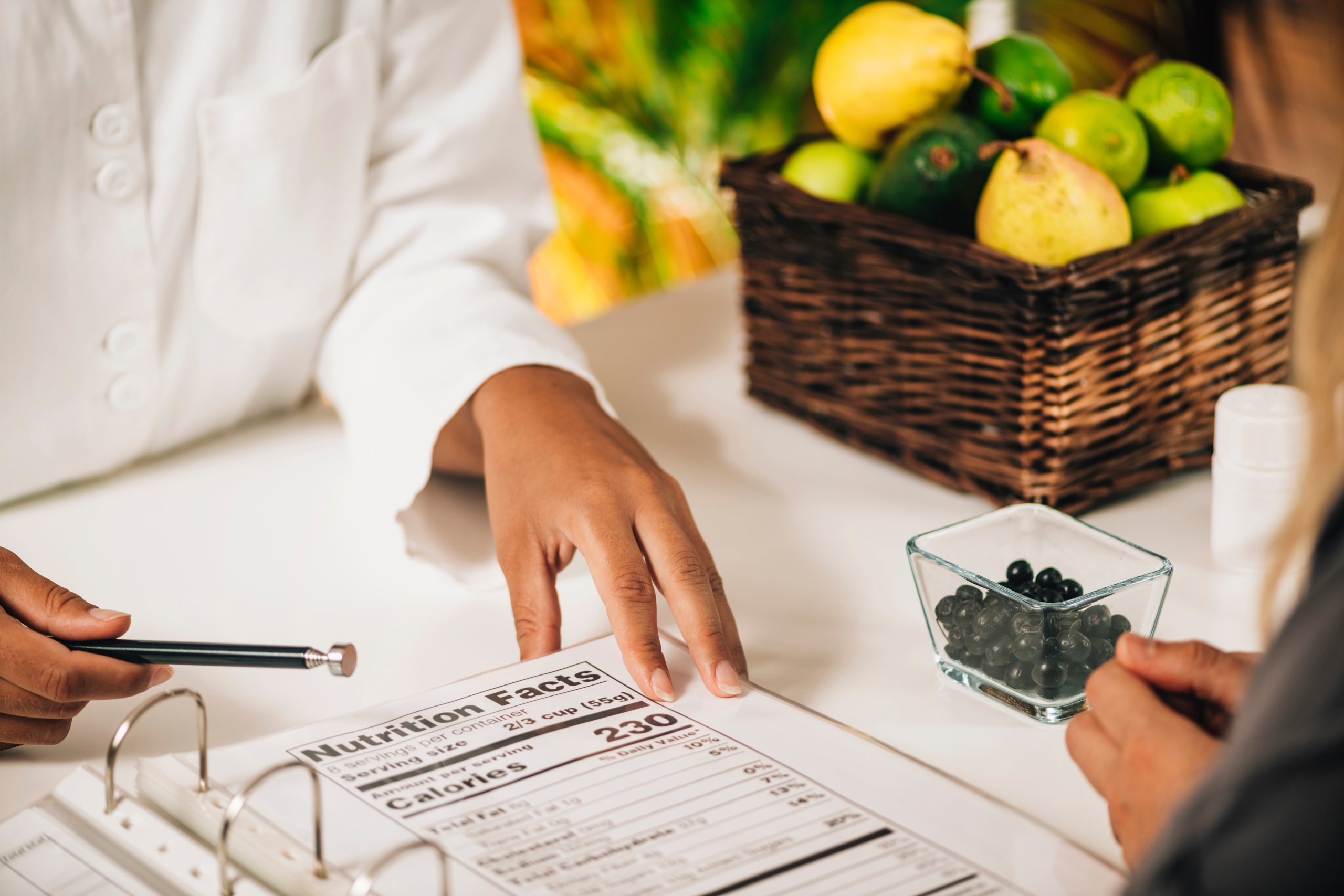
Nutritious foods fuel our immune systems, support brain development and help stabilize energy levels. They also play a critical role in managing and preventing chronic conditions such as heart disease, diabetes and obesity, which is why it’s important to seek out personalized guidance from a qualified professional. Registered Dietitian Nutritionists (RDNs) are food and nutrition experts who can provide evidence-based advice tailored to your specific needs.
Here’s how to get started and what to expect:
- Ask your doctor for a referral to an RDN. They can help you develop a personalized meal plan, address any dietary concerns and provide ongoing support. Find an RDN who specializes in your unique needs – whether you’re managing a chronic condition, seeking to lose weight or simply looking to improve your overall health, an RDN can provide the expertise and guidance you need.
- Personalized meal plans. Receiving personalized nutrition information can empower you to make informed food choices and achieve your health goals. An RDN can help you navigate the complexities of nutrition, dispel common myths and create a sustainable eating plan that fits your lifestyle. They can also help you develop a deeper understanding of your relationship with food, fostering a more mindful and connected approach to eating.
Remember, start small, build balanced meals and create practical habits.
When we nourish our bodies with intention and consistency, we unlock the power of nutrition to help ourselves and those around us truly thrive.