
The world of nursing is vast, offering a wide spectrum of rewarding career paths. While many people are familiar with the term “nurse,” the healthcare landscape is populated by various specialized roles for nurses, each requiring distinct education and unique tasks.
Let’s break down the differences between a CNA, LPN, RN, NP, CRNA and more to get a better understanding of the nursing profession.
CNA: Certified Nursing Assistant
- Degree/Certification Needed: To become a CNA, you typically need to complete a state-approved training program. These programs are relatively short, ranging from a few weeks to a few months, and often include both classroom instruction and clinical practice. Upon completion, you must pass a certification exam. A high school diploma or GED is usually a prerequisite.
- Nursing Tasks Performed: CNAs work under the supervision of RNs and LPNs (Licensed Practical Nurses), providing essential direct patient care. Their tasks focus on assisting patients with activities of daily living (ADLs). This includes:
- Bathing and dressing
- Feeding
- Toileting and incontinence care
- Ambulating and transferring patients, reducing the risk for falls and pressure injuries
- Measuring and recording vital signs (temperature, pulse, respiration, blood pressure) and intakes (what the patient eats and drinks) and outputs (any fluid or solid that comes out of the body)
- Changing bed linens
- Maintaining a clean and safe patient environment
- Observing and reporting changes in patient condition to the nursing staff.

LPN: Licensed Practical Nurse (or LVN: Licensed Vocational Nurse in some states)
- Degree/Certification Needed: To become an LPN/LVN, you must complete a state-approved practical nursing program. These programs typically last about 12-18 months and are offered at community colleges, technical schools and some hospitals. After completing the program, you must pass the NCLEX-PN (National Council Licensure Examination for Practical Nurses) to obtain your license.
- Nursing Tasks Performed: LPNs/LVNs work under the supervision of RNs or physicians, providing basic and direct patient care. Their scope of practice is generally more limited than an RN but broader than a CNA, however, LPNs cannot assess patients. Tasks include:
- Monitoring patient health, including vital signs and general condition
- Administering medications (with some restrictions, varying by state)
- Performing wound care and dressing changes
- Inserting catheters
- Collecting specimens for laboratory tests
- Communicating with patients and families about care
- Documenting patient information
- Assisting patients with personal care, similar to CNAs, but with more emphasis on clinical tasks.
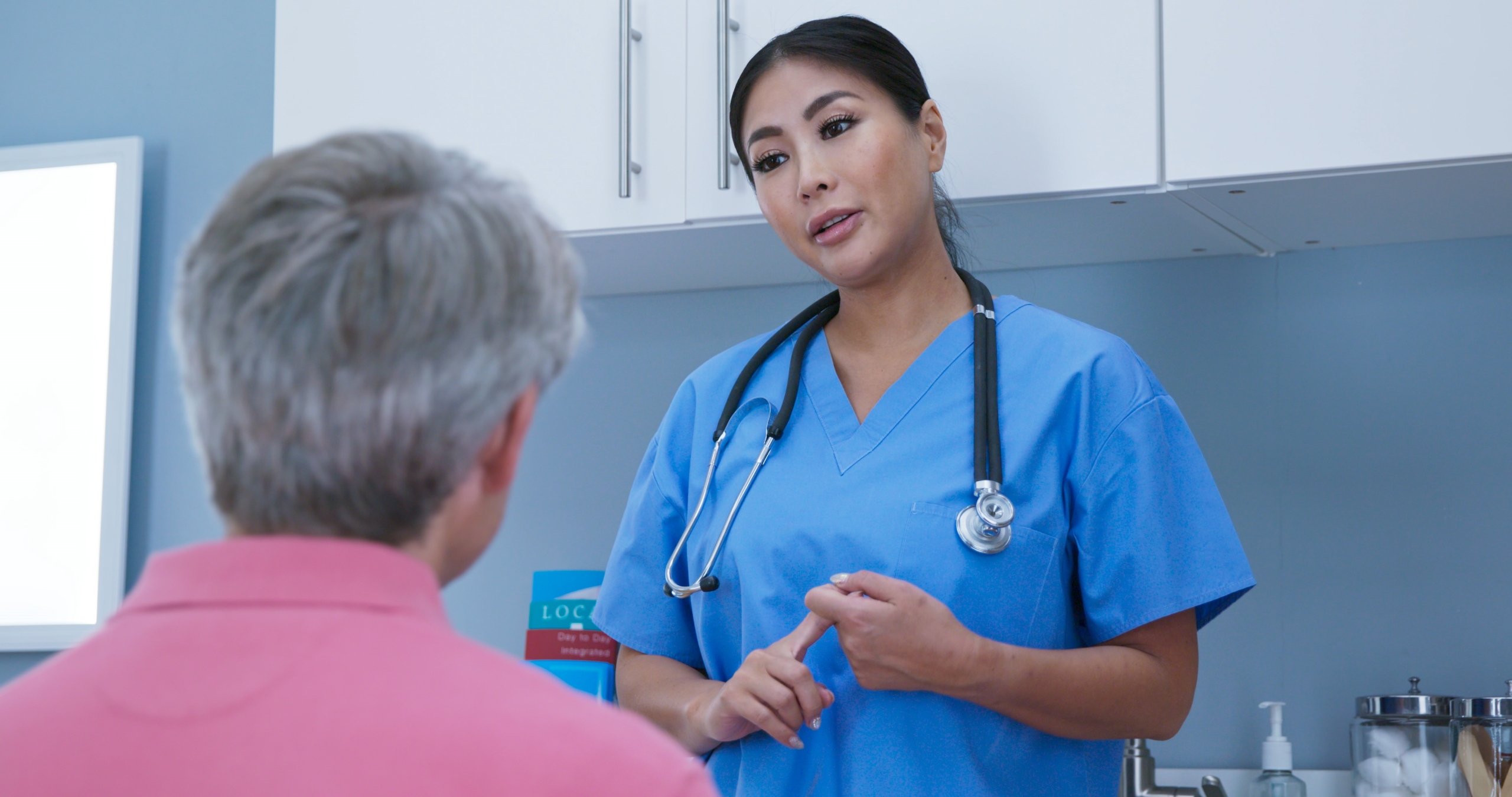
RN: Registered Nurse
- Degree Needed: To become a Registered Nurse, there are two primary educational pathways:
- Associate Degree in Nursing (ADN): Typically, a two-year program offered by community colleges or nursing colleges like St. Elizabeth College of Nursing (SECON).
- Bachelor of Science in Nursing (BSN): A four-year program offered by universities. Note: There are accelerated two-year programs for individuals who have a bachelor’s degree in something other than nursing. While both degrees qualify you to sit for the NCLEX-RN (National Council Licensure Examination for Registered Nurses), the BSN is increasingly preferred by employers and often opens up more opportunities for career advancement and specialization.
In fact, the BSN is becoming the gold standard as institutions strongly recommended nurses pursue higher levels of education, particularly the BSN, as it has been statistically proven to increase care quality and patient outcomes. In New York state, for instance, RNs are required to either have a bachelor’s degree or higher degree in nursing within 10 years of obtaining their RN license.
SECON partners with SUNY Polytechnic Institute (SUNY Poly) to offer a 1+2+1 Nursing Partnership Pathway. The 1+2+1 Nursing Partnership Pathway is an innovative partnership that provides students the opportunity to earn two degrees in four years; an AAS Degree from SECON and a BS from SUNY Poly.
- After completing either program, aspiring RNs must pass the NCLEX-RN to obtain their license.
- Nursing Tasks Performed: RNs are the backbone of patient care, utilizing critical thinking and clinical judgment to provide comprehensive care. Their responsibilities are extensive and include:
- Assessing patient health conditions and needs
- Developing and implementing patient care plans
- Administering medications and treatments
- Educating patients and their families about health conditions and self-care
- Operating and monitoring medical equipment
- Collaborating with physicians and other healthcare professionals
- Performing wound care
- Documenting patient care and progress
- Advocating for patients’ rights and needs.
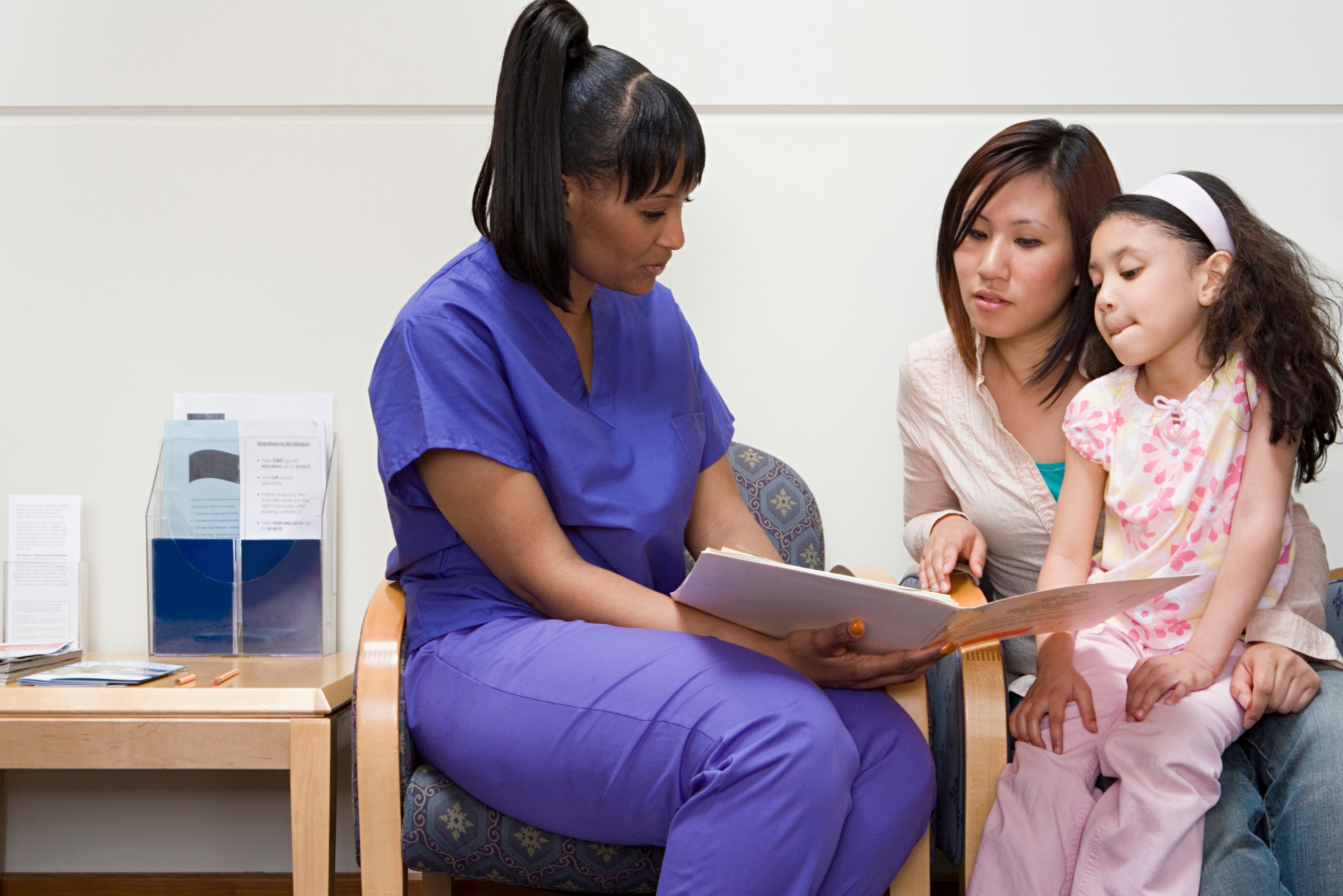
NP: Nurse Practitioner
- Degree Needed: Many Nurse Practitioners (NPs) start out as licensed Registered Nurses (RN) with a BSN. After gaining clinical experience as an RN, you then pursue a Master of Science in Nursing (MSN) or a Doctor of Nursing Practice (DNP) with a specialization in a particular NP population focus (e.g., Family Nurse Practitioner, Adult-Gerontology Nurse Practitioner, Pediatric Nurse Practitioner, Psychiatric-Mental Health Nurse Practitioner). These programs typically take two to four years beyond the BSN. Note: There are accelerated options for individuals with non-nursing bachelor’s degrees. NPs must also pass a national certification exam in their specialty.
- Nursing Tasks Performed: Nurse Practitioners are advanced practice registered nurses (APRNs) who have a broader scope of practice than RNs, often functioning with a high degree of autonomy. There are different APRN roles as well, including nurse practitioner, clinical nurse specialist, nurse anesthetist or nurse-midwife.
Tasks can vary based on specialty and state regulations, but generally include:
- Diagnosing and treating acute and chronic illnesses
- Ordering and interpreting diagnostic tests (e.g., X-rays, lab work)
- Prescribing medications (in most states)
- Performing physical exams
- Providing preventative care and health counseling
- Managing patient care, including referrals to specialists
- Conducting research and integrating evidence-based practice
- Some NPs may even open their own independent practices, depending on state laws.

CRNA: Certified Registered Nurse Anesthetist
- Degree Needed: Becoming a CRNA is one of the most rigorous and specialized pathways in nursing. Similar to NPs, you must first be a licensed RN with a BSN and typically possess experience (often one to two years) in an acute care setting, such as an ICU. Following this, you must complete a Doctor of Nursing Practice (DNP) program with a specialization in nurse anesthesia. These programs are highly competitive and intensive, typically lasting three to four years. Upon graduation, candidates must pass a national certification exam.
- Nursing Tasks Performed: CRNAs are highly skilled advanced practice registered nurses who administer anesthesia and provide anesthesia-related care to patients. Their responsibilities include:
- Conducting pre-anesthetic assessments and evaluations
- Developing and implementing individualized anesthetic care plans
- Administering general, regional and local anesthesia
- Monitoring patient vital signs and physiological responses during surgery
- Managing pain and nausea during and after procedures
- Maintaining patient airways and breathing
- Responding to emergency situations and managing complications
- Providing post-anesthesia care and discharge planning
- CRNAs are the primary anesthesia providers in many rural hospitals and are an integral part of surgical teams across all healthcare settings.

Nursing Subspecialties
Within the broad categories of RNs, LPNs, NPs and even CNAs, there are countless opportunities to specialize in a particular area of patient care or a specific population. These subspecialties often require additional training, certifications and a passion for working with specific conditions or demographics.

Here’s a glimpse into some common nursing subspecialties:
- Pediatric Nursing: Caring for infants, children and adolescents.
- Neonatal Intensive Care Unit (NICU) Nursing: Providing critical care to premature and sick newborns.
- Maternity/Labor and Delivery Nursing: Supporting mothers and babies through pregnancy, childbirth and postpartum care.
- Cardiac Nursing: Specializing in the care of patients with heart conditions.
- Oncology Nursing: Providing care to patients with cancer.
- Emergency Department (ED) Nursing: Caring for patients experiencing acute illnesses or injuries requiring immediate attention.
- Trauma Nursing: Specializing in the care of severely injured patients.
- Critical Care/Intensive Care Unit (ICU) Nursing: Managing critically ill or unstable patients in an intensive care setting.
- Geriatric Nursing: Focusing on the unique healthcare needs of older adults.
- Psychiatric-Mental Health Nursing: Providing care to individuals with mental health disorders.
- Operating Room (OR)/Perioperative Nursing: Assisting before, during and after surgical procedures.
- Informatics Nursing: Blending nursing science with information technology to improve healthcare.
- Public Health Nursing: Promoting health and preventing disease within communities.
- Home Health Nursing: Providing nursing care to patients in their homes.
- Case Management Nursing: Coordinating patient care across different healthcare settings and services.
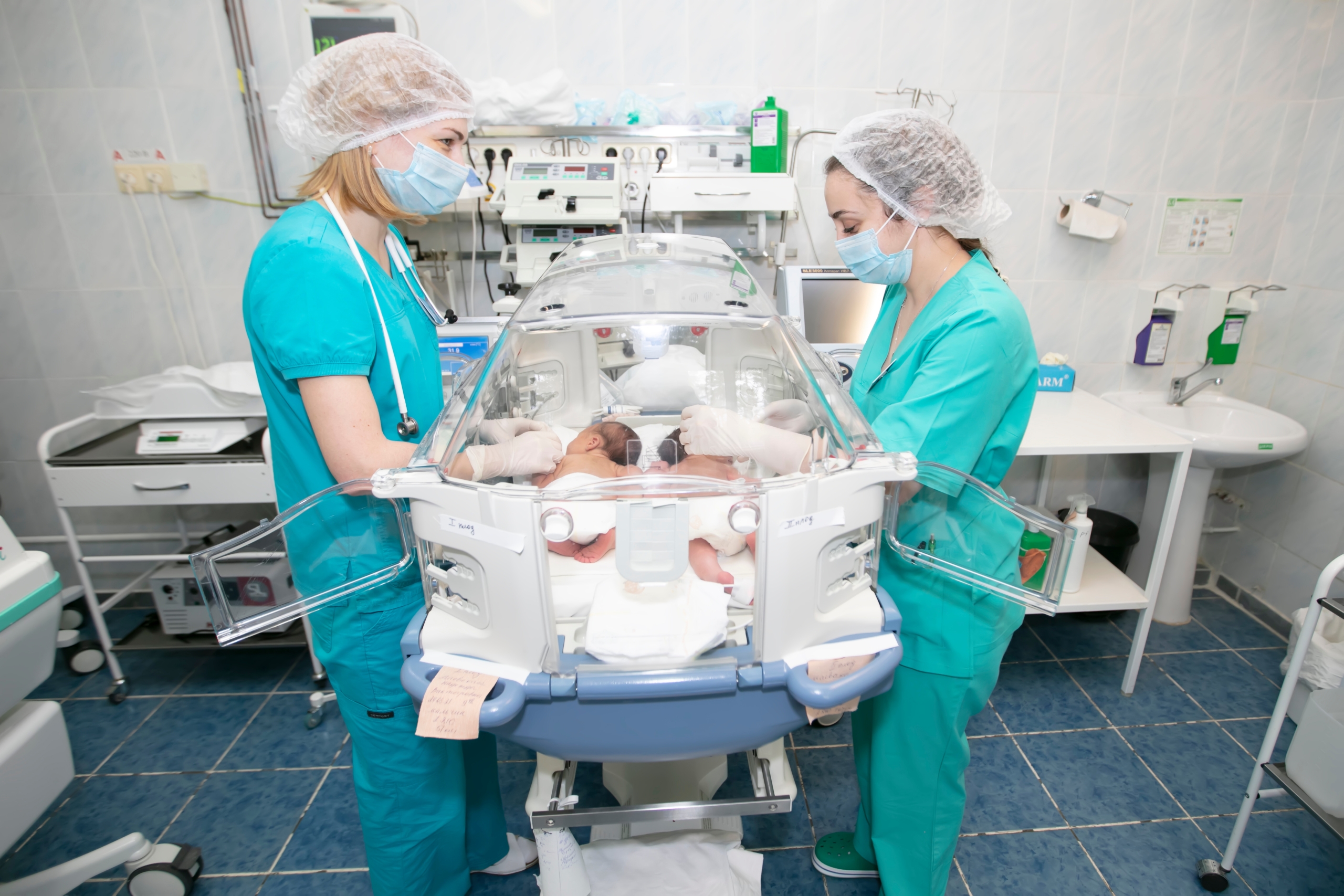
These diverse paths highlight the endless opportunities for growth and specialization within the dynamic and ever-evolving field of nursing. Nurses can do anything from bedside, procedural (e.g. Operating Room), administration, education, aesthetics, school nursing, IT nursing, forensic nursing and so much more!
Interested in becoming a nurse or looking to grow in your career? Check out our openings today!