
We often talk about the link between obesity and common medical conditions like heart disease and diabetes. But for women, the impact of excess weight extends even further, significantly increasing the risk for a range of specific health challenges – from certain cancers and polycystic ovarian syndrome (PCOS) to infertility and serious pregnancy complications – the connection is undeniable.
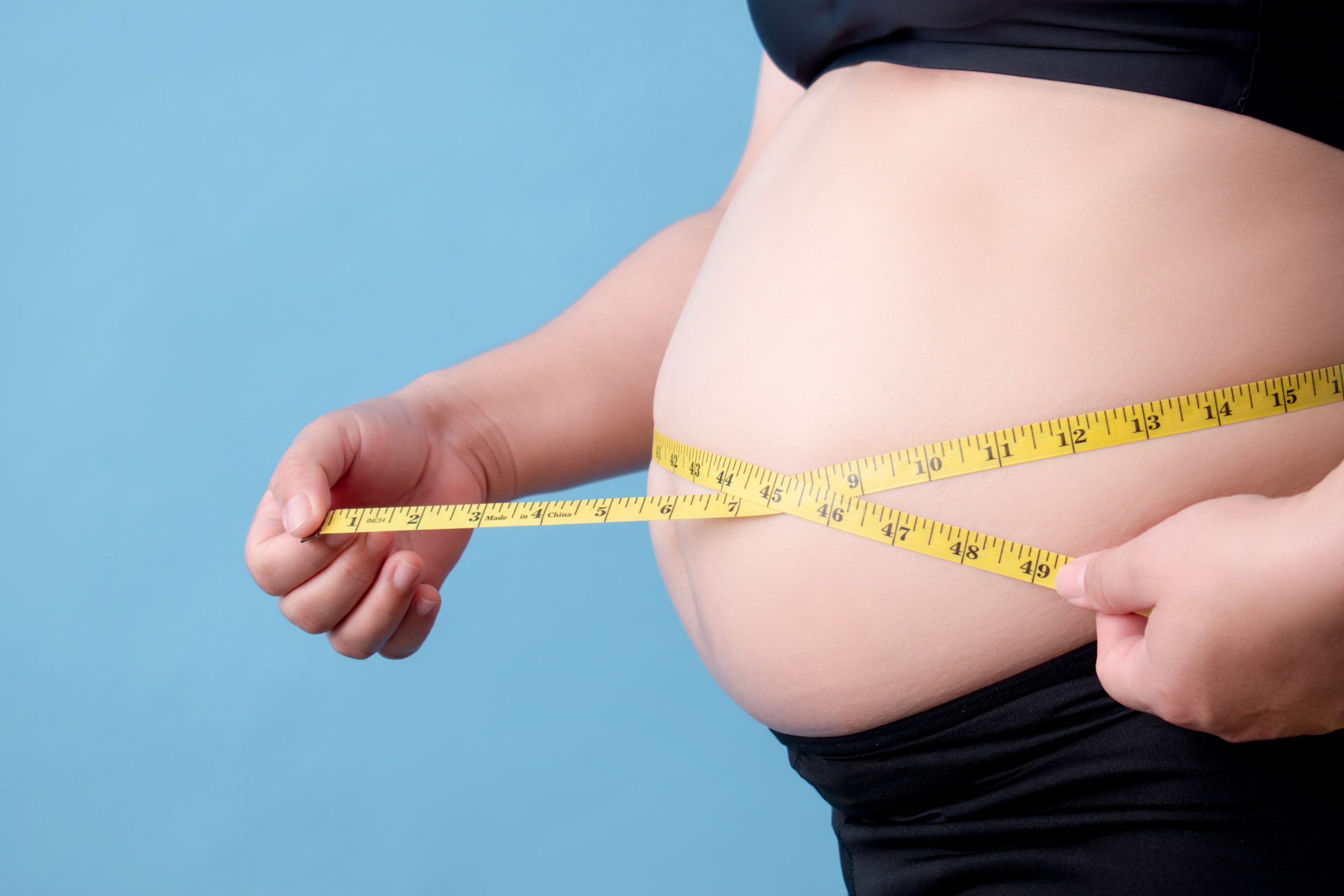
Obesity and Related Risks for Women
Obesity is a chronic, neurobehavioral disease influenced by genes and environmental factors, and women have a higher risk of obesity due to factors like pregnancy, hormones and genetic differences.
Cancer Risk and Obesity
Obesity can disrupt the delicate hormonal balance in a woman’s body, often leading to elevated estrogen levels. This hormonal shift is a key factor in the increased risk of breast and endometrial/uterine cancers. Furthermore, it plays a significant role in the development of PCOS, a common endocrine disorder that can cause irregular periods, ovarian cysts and difficulties with fertility.
Fertility and Obesity
Increased weight can unfortunately make it harder for women to conceive. And if pregnancy does occur, obesity can elevate the risk of complications for both mother and baby, including miscarriages, gestational diabetes, preeclampsia, the need for a C-section and delivering babies who are large for gestational age.
Perhaps one of the most compelling reasons for women to consider their weight before pregnancy lies in the profound impact of pre-pregnancy BMI. The weight of the mother before conception is the number one risk factor for neonatal adiposity – meaning a higher likelihood of their child developing obesity later in life. This highlights that achieving a healthy weight isn’t just about making good choices during pregnancy; ideally, it’s about entering pregnancy in the best possible health. Interestingly, weight normalization can also help normalize those crucial sex hormones, potentially improving fertility and reducing some of these risks.
Bariatric Surgery: A Powerful Tool for Change
The good news is that there’s strong evidence demonstrating the positive impact of bariatric surgery on all of these obesity-related issues in women. By facilitating significant and sustained weight loss, bariatric surgery can lead to remarkable improvements in hormonal balance, fertility and pregnancy outcomes.

Navigating Fertility and Family Planning After Bariatric Surgery
For women whose primary motivation for considering bariatric surgery is to improve their chances of conceiving, open communication and careful planning are essential. During the initial surgical consultation, it’s crucial to discuss family planning goals, birth control options, breastfeeding intentions and the desired timeline for pregnancy. This proactive approach helps maximize the benefits of the surgery while ensuring the safety of both mother and future child.
Let’s address some of the frequently asked questions women have about bariatric surgery and its impact on their reproductive health:
- Can weight loss after bariatric surgery help me get pregnant? Absolutely! In fact, we advise patients to use birth control in the initial postoperative period because their fertility often increases as they lose weight.
- How long do I have to wait after bariatric surgery to get pregnant? We generally recommend waiting 12-18 months post-surgery before trying to conceive. This time frame allows for maximal weight loss and stabilization, optimizing both the mother’s health and the future baby’s well-being. Rapid weight loss in the first year or two can increase the risk of vitamin and mineral deficiencies. Once weight loss plateaus, nutritional deficiencies are typically easier to manage, creating a safer environment for a developing baby.
- What if I get pregnant within a year after my surgery? While a healthy pregnancy is still possible, it may require more intensive monitoring. Additionally, the nutritional demands of pregnancy can potentially hinder optimal weight loss.
- Do I need special monitoring during pregnancy or while breastfeeding after bariatric surgery? In addition to standard prenatal care, women who have had bariatric surgery often require extra monitoring and may need supplementation of specific vitamins and minerals like iron, calcium, vitamin D, vitamin B12 and folate.
- Can I breastfeed after having bariatric surgery? Absolutely! Breastfeeding offers numerous health benefits for mothers, including a reduced risk of diabetes, hypertension, heart attack, high cholesterol and breast/ovarian cancer. Furthermore, both post-bariatric weight loss and breastfeeding can lower the child’s risk of obesity and provide other health advantages. However, it’s important to be mindful of hydration during breastfeeding, as significant weight loss can increase the risk of dehydration. Also, the increased hunger stimulated by prolactin (the breastfeeding hormone) might make weight maintenance more challenging. Consulting a bariatric dietitian can be invaluable in creating a personalized dietary plan for breastfeeding mothers post-surgery.
- Can I undergo bariatric surgery if I recently had a baby? Generally, yes. However, your surgeon will discuss your breastfeeding goals and the potential impact of rapid weight loss on milk supply. It’s also crucial to consider whether you feel physically and emotionally ready for surgery and recovery as a new mother.
- Can I continue to breastfeed after I have surgery? Yes! The old recommendation to “pump and dump” after anesthesia is no longer standard practice for most anesthetic medications. You can discuss your preference with the anesthesia team, and they can usually choose medications that are safe for your baby.

Improved Overall Health With Bariatric Surgery
Bariatric surgery offers women a powerful opportunity to improve not only their overall health but also their reproductive health. By understanding the unique risks associated with obesity in women and the potential benefits of surgical intervention, you can make informed decisions that lead to a healthier and more fulfilling future. Open communication with your healthcare team is the first step toward exploring these possibilities.
To explore whether or not bariatric surgery might be the right option for you, reach out to our team at mvhealthsystem.org/bariatric or call 315-235-2540.
Author
Tiffany Lee, MD